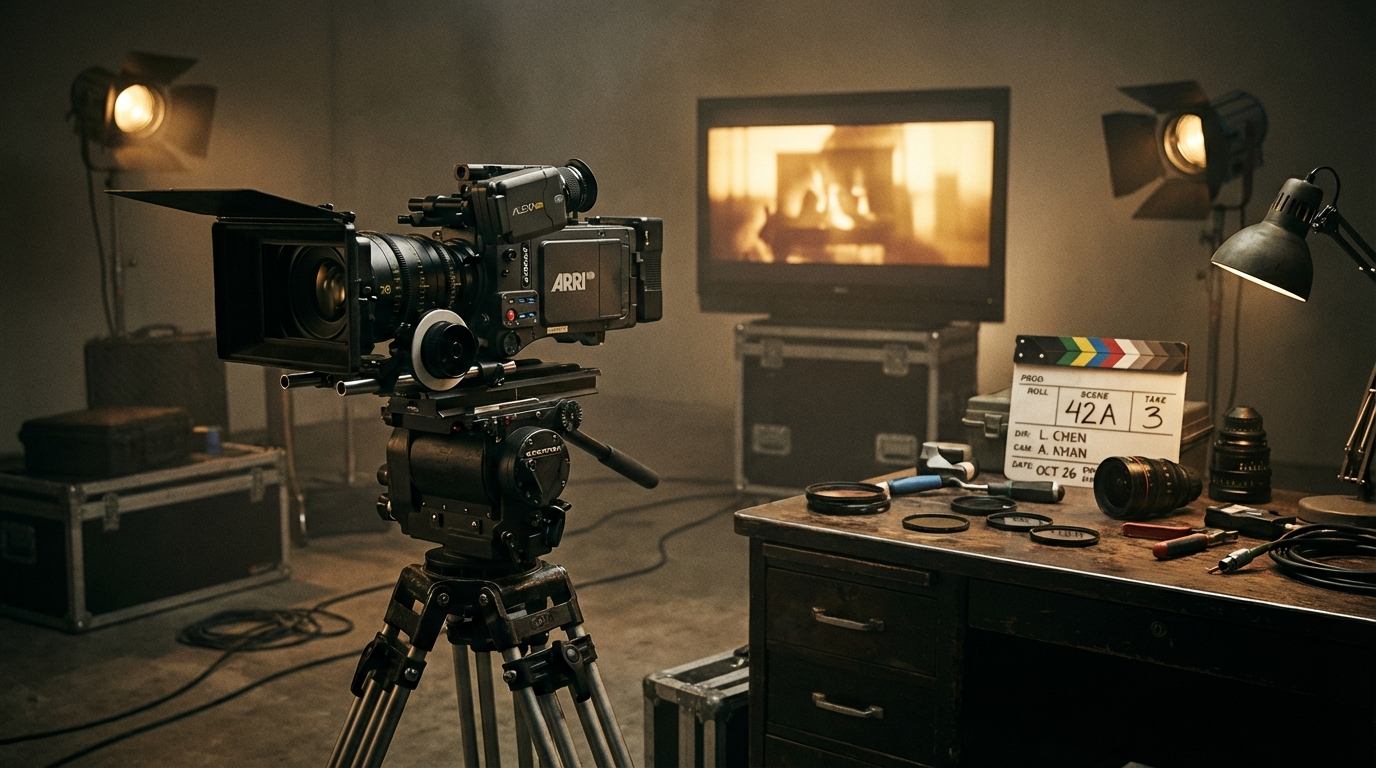
On-location video is different from studio production in almost every way that matters. The environment is unpredictable. The light changes. Sound is never perfect. And the results — when the production team knows what they are doing — are almost always more authentic, more compelling, and more human than anything captured in a controlled studio environment.
JinYer Balance has done on-location production across Ohio — from downtown Columbus to rural settings, from restaurant kitchens to outdoor events. Here is what the process actually looks like from the first call to the final file delivery.
On-location video consistently outperforms studio-only content for engagement and conversion when the subject is a local business, a real story, or a community-based brand. Authenticity registers immediately.
Phase 1: Pre-Production (Before Anything Is Filmed)
Pre-production is where most of the project's success is determined. A professional production team will spend significant time here — and so should you.
Discovery and Brief
What is the video for, who is it for, and what should the viewer do or feel after watching it? This shapes every creative decision that follows. The production company will ask for a brief — fill it out thoroughly before the first call.
Location Scout
For on-location shoots in Ohio, this means visiting or reviewing photos of the space in advance. Good production teams assess natural light, background noise, power access, and space for equipment. Some locations require permits — especially any public or city-owned space in Columbus, Cleveland, or Cincinnati.
Shot List and Run of Show
A professional production will arrive with a detailed shot list — not just a general plan, but a specific sequence of what gets filmed and in what order. This minimizes setup time on the day and ensures nothing gets missed.
Phase 2: Production Day
This is what most clients think of when they think "filming day." It is also the phase where having an experienced team pays off most visibly.
- Setup time is real. Depending on the complexity of the shoot, expect 1–2 hours for lighting, audio, and camera setup before any actual filming begins. Plan your day accordingly.
- Ohio weather is a variable. If any exterior shots are planned, have a backup plan for rain. Spring and fall in Ohio are especially unpredictable — good production teams build contingency time into the schedule.
- Interviews need prep. If you are doing talking-head interviews, give your subjects the questions in advance. Unrehearsed subjects are rarely the most compelling on camera — this is not TV, you want people to sound natural, not surprised.
- Golden hour is worth planning for. Ohio offers genuinely beautiful exterior light in the hour before sunset. If your brief allows for it, building an outdoor golden-hour shot into a full-day production can dramatically elevate the final product.
JinYer Balance has filmed commercial and documentary content on location in Columbus and surrounding areas. If you are in Ohio and need video that actually represents your brand, reach out.
Book a Production CallPhase 3: Post-Production (Where the Real Work Happens)
Most clients underestimate how much of the final product is built in post. For a professionally produced brand video, expect:
- Edit timeline: A 90-second brand video typically takes 3–7 days of editing, depending on complexity, b-roll volume, and revision rounds.
- Color grading: Raw footage does not look like what you see in final videos. Color grading — adjusting tone, contrast, and color temperature — is what gives professional video its distinctive look.
- Audio mixing: On-location audio is almost never clean enough to use raw. Expect noise reduction, EQ, and music mixing to be part of the post workflow.
- Revisions: Know your revision round allowance before signing any contract. Most professional video productions include 2 rounds of revisions. Major structural changes after delivery are typically scope additions.
What a Good On-Location Production Costs in Ohio
Ohio is significantly less expensive than major markets like New York or Los Angeles for comparable production quality. For reference, typical ranges in 2026:
- 30–60 second brand video (1 day shoot): $2,500–$6,000
- Documentary short (2–3 day shoot): $8,000–$20,000+
- Social media content package (4–6 clips): $1,500–$4,000
- Event coverage (4–8 hours): $1,200–$3,500
These ranges vary based on crew size, equipment requirements, number of locations, and post-production complexity. The brands that get the most value from on-location video are the ones who invest in pre-production — a well-planned shoot costs less and delivers more than an improvised one, every time.